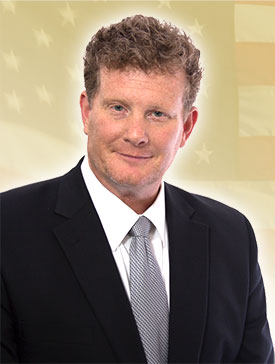
Joe Mitchell III is among the small number of Florida Bar Board Certified Civil Trial Lawyers. With over 30 years of experience, Joe represents clients in personal injury matters, insurance disputes, and complex civil cases, providing experienced guidance backed by preparation and a sincere commitment to his clients.


A car, motorcycle, or trucking accident can turn your life upside down. Joe helps clients sort through insurance issues, understand liability, and take the next steps toward seeking compensation for their injuries.


Falls caused by unsafe conditions can lead to serious injuries. Joe works with clients to evaluate what happened and determine whether a property owner may be responsible.

Insurance companies don’t always treat policyholders fairly. Joe helps clients navigate denied, delayed, or underpaid insurance claims and provides guidance on what options may be available under the policy and Florida law.


Losing a loved one due to someone else's
negligence is devastating. Our
compassionate team will guide you through
the legal process and seek justice and
compensation for your loss.


End your meal on a sweet note with
our delightful desserts that are the
perfect finishing touch.

Losing someone you love is overwhelming. Joe offers compassionate guidance to families exploring wrongful death claims and helps them understand the legal steps during an incredibly difficult time.
Frequently Asked Questions
Answers to Common Attorney Questions
How do I know if I have a personal injury case?
You may have a personal injury case if you were injured because another person or company acted carelessly or failed to maintain safe conditions. Signs that you might have a case include medical treatment after the incident, financial losses, or clear evidence of negligence. The best way to know for sure is to speak with an attorney who can review the facts and explain your legal options.
Personal injury cases may allow you to pursue compensation for medical bills, lost wages, property damage, pain and suffering, and other expenses related to the accident. The types and amounts of damages available depend on the severity of the injury, the evidence, and the circumstances of the incident.
How long do I have to file a personal injury claim?
Florida has strict deadlines, known as statutes of limitations, that determine how long you have to file a personal injury claim. These time limits vary based on the type of accident. Because missing a deadline can prevent you from pursuing a case, it’s important to speak with an attorney as soon as possible after an injury.
After an accident, prioritize your health and safety. Seek medical attention, document the scene with photos or videos if you can, gather contact information from witnesses, and notify your insurance company. Speaking with an attorney early can help you avoid mistakes and understand your next steps.
The timeline varies widely depending on the complexity of the case, the severity of the injuries, and how willing the insurance company is to negotiate. Some cases resolve in a few months, while others take longer, especially if litigation is involved.
You can, but insurance companies often try to resolve claims quickly and for as little as possible. Many people choose to work with a personal injury lawyer who understands how insurers evaluate claims and can help protect their rights during negotiations.
What evidence is crucial in a personal injury case?
Strong evidence can make a significant difference in a personal injury case. Common forms of evidence include medical records, photos or videos of the accident scene, witness statements, accident or police reports, and documentation of expenses or lost income. An attorney can help gather and organize this information.
Most personal injury attorneys work on a contingency fee basis. This means you don’t pay upfront legal fees; instead, the attorney receives a percentage of the recovery if the case is successful. The exact fee structure will be explained before representation begins.
Florida follows a modified comparative negligence system. This means you may still seek compensation even if you were partially responsible for the accident, but your recovery could be reduced based on your percentage of fault. An attorney can help clarify how this applies to your situation.